Author: Christian Acosta

How My Society Realized the Value of a Proper Line SetHow My Society Realized the Value of a Proper Line Set

Every summer, our residential society in Bucks County would experience the same complaints: “The hallways feel stuffy,” “The gym’s AC keeps breaking down,” “The clubhouse is never evenly cooled.” At first, we thought it was just overworked air conditioners. But after years of costly repairs, it became clear the issue went deeper—into the very arteries of our cooling systems: the Line Set. To learn more:

Click here!

The Hidden Culprit

For years, our society’s maintenance team focused only on replacing compressors, thermostats, or air handlers. But one consulting HVAC technician pointed out that the real problem was with the copper line sets running through the walls and ceilings.

Many of them were decades old, sized incorrectly, and insulated with material that had deteriorated from heat and moisture exposure. Worse, several lines still carried remnants of R-22 refrigerant, incompatible with modern R-410A systems.

The result? Leaks, inefficiency, and units that failed long before their expected lifespan.

Why the Line Set Matters to Communities

In individual homes, an inefficient system affects one family. But in a society or apartment complex, a failing line set has a ripple effect:

Higher Energy Bills for All: Old, undersized tubing forces compressors to overwork, driving up the shared electricity costs.

Uneven Comfort: One wing of the building stays cool, while another feels humid and uncomfortable.

Maintenance Nightmares: Repeated leaks mean constant calls to technicians, draining the society’s repair budget.

Environmental Impact: Leaking refrigerants contribute to greenhouse gases and ozone depletion.

When the community council reviewed the data, it was clear: replacing the line sets was not just a technical fix—it was a social responsibility.

The Project That Changed Everything

The decision wasn’t easy. Running new ASTM B280 copper line sets through existing walls and shafts required planning, budget allocation, and coordination among residents. But our society voted to go ahead, treating it as an infrastructure investment rather than a one-time repair. AC line set installation kit

We opted for:

3/8″ liquid lines and 3/4″ suction lines to match modern capacity requirements.

Closed-cell insulation, 1″ thick, to prevent energy loss and condensation.

Pre-flared, pre-insulated line sets from a trusted supplier, making installation cleaner and faster.

Proper flushing and sealing to eliminate oil, moisture, and acid contamination.

The Transformation We Witnessed

Within weeks of replacing the line sets across key buildings, the changes were undeniable:

Lower Utility Costs: The society’s collective energy bills dropped significantly, saving funds for other amenities.

Balanced Comfort: No more hot spots in the gym or freezing corners in the clubhouse. Every common area felt evenly cooled.

Fewer Breakdowns: With refrigerant flow optimized, compressors ran smoother, cutting down on emergency service calls.

Community Pride: Residents felt reassured knowing the society was investing wisely in shared infrastructure.

More Than Just Cooling—A Lesson in Collective Care

What struck me most wasn’t just the technical benefits, but the sense of community it created. Replacing the line sets wasn’t about one person’s home; it was about everyone’s comfort, everyone’s wallet, and everyone’s environmental footprint.

Our society realized that infrastructure choices affect everyone equally. Neglecting the line set didn’t just mean a warm room—it meant wasted energy, rising costs, and preventable carbon emissions.

Who Else Should Take Notice?

The lesson extends beyond our neighborhood:

Apartment Complexes – Multiple units often share shafts where line sets run; ignoring them risks widespread inefficiency.

Commercial Buildings – Offices and malls that fail to upgrade line sets struggle with uneven temperatures and soaring bills.

Schools & Institutions – Just like our society, shared comfort spaces rely on efficient refrigerant circulation.

Homeowner Associations – Investing in proper copper line sets saves residents money long term.

A Change That Strengthens the Future

Looking back, I realize our society’s decision was more than a maintenance project—it was a shift in mindset. Instead of patchwork fixes, we chose long-term sustainability. Instead of ignoring what’s hidden behind walls, we acknowledged its impact on our daily lives. For More Knowledge:

Click here!

Now, when guests visit the clubhouse and comment on how consistently comfortable it feels, we smile and say: “It’s all thanks to the new line sets.”

The truth is, no one outside the HVAC world ever praises copper tubing or insulation. But for us, those hidden veins of the system brought visible comfort, lower costs, and a stronger sense of community responsibility.

A Lesson for Every Society

The next time a residential complex debates how to improve comfort or reduce costs, the conversation shouldn’t stop at equipment upgrades. It should dig deeper, into the line sets that carry the lifeblood of every cooling system.

Because when a society invests in what lies beneath the surface, everyone reaps the benefits above it.

How to Hire Appliance Movers for a Stress-Free RelocationHow to Hire Appliance Movers for a Stress-Free Relocation

Appliance Movers

Relocating to a new home can be both exciting and overwhelming. While packing boxes and organizing your belongings is challenging, moving large and heavy appliances can be even more daunting. Items like refrigerators, dishwashers, and washing machines require special care during transport. Hiring professional appliance movers is the best way to ensure your move goes smoothly and that your appliances remain safe. In this guide, we’ll explain how to hire the right movers and how to prepare for the relocation of your appliances.

Why You Should Hire Professional Appliance Movers

Moving appliances isn’t a typical part of most DIY moves. These large, bulky items require experience and equipment to move safely. Here’s why hiring appliance movers is the wise choice:

REQUEST FREE QUOTES

  • Experienced Handling: Appliance movers specialize in the safe handling and transport of large, heavy appliances. They are trained to manage the unique challenges that come with moving items like refrigerators, stoves, and washers.
  • Protecting Your Appliances: These items are costly and fragile. Professional movers use padding, blankets, and other protective materials to shield your appliances from scratches, dents, and other damage during transport.
  • Safety: Moving heavy appliances can cause injury if not done correctly. Professional movers use tools like dollies, straps, and ramps to ensure a safe and injury-free move.
  • Efficiency: Moving large items is time-consuming. Experienced movers can complete the job much faster, saving you time and stress.

What to Look for When Choosing Appliance Movers

Not all moving companies specialize in appliance relocation. To ensure a smooth experience, here are some factors to consider when hiring professional appliance movers:

  • Experience and Specialization

Look for movers who have experience in moving large and heavy appliances. Their expertise will ensure the safe and efficient transport of your valuable items.

  • Insurance Coverage

Accidents can happen, so it’s essential to ensure your appliances are protected. Hire a moving company that offers insurance coverage in case of damage during the move.

  • Reputation

A good reputation is vital. Check reviews, ask for recommendations, and look for a moving company with a proven track record of providing quality appliance moving services.

  • Clear and Transparent Pricing

Ensure the moving company offers a detailed quote that covers all costs, including packing, handling, and transport fees. This way, you can avoid hidden charges.

  • Availability

It’s important to book movers in advance, especially if you’re moving during a busy time of year. Confirm that the movers are available on the dates you need them and can handle all the appliances you need to move.

How to Prepare Your Appliances for Moving

Appliance Movers

Before the movers arrive, there are several steps you should take to prepare your appliances. Proper preparation ensures the safety of your items and makes the moving process more efficient.

  • Clean and Empty the Appliances

Clean your appliances before the movers arrive. For refrigerators and freezers, empty all food, defrost the freezer, and clean the interior. For washing machines and dishwashers, drain any remaining water to prevent leaks.

  • Disconnect Utilities

Disconnect any water, gas, or electrical connections to your appliances. If you’re unsure how to disconnect an appliance, you may need to hire a technician or ask the movers to help with disconnections.

  • Remove Removable Parts

Remove any removable parts, such as shelves, trays, and racks, from refrigerators, ovens, or washing machines. These parts are easily damaged or lost during the move and are best packed separately.

  • Protect Your Appliances

Use bubble wrap, moving blankets, or plastic covers to protect your appliances. The movers will likely provide some protection, but adding extra padding helps safeguard against scratches and dents.

REQUEST FREE QUOTES

The Appliance Moving Process: What to Expect

Once you’ve hired the right movers and prepared your appliances, here’s what you can expect when the moving day arrives:

  • Initial Assessment

When the movers arrive, they will assess your appliances to determine the best approach for moving them. They will evaluate the size, weight, and condition of each item to ensure proper handling.

  • Packing and Protection

The movers will carefully wrap each appliance in protective materials, such as blankets, shrink wrap, or padding. This helps to prevent any damage during transport.

  • Loading the Appliances

Using specialized equipment like dollies and straps, the movers will load your appliances onto the truck. They will secure everything in place to prevent shifting or damage during transit.

  • Transport and Unloading

Once your appliances are safely loaded, the movers will transport them to your new home. Upon arrival, they will unload the appliances and place them in the designated rooms. If you’ve arranged for them to do so, they may also help you reconnect your appliances.

Frequently Asked Questions

Q: How much do appliance movers cost?

The cost of hiring appliance movers depends on the size of the move, the number of appliances, and the distance involved. On average, appliance moving services can range from $150 to $600 or more.

Q: Can I move my appliances on my own?

While it’s possible to move appliances yourself, it’s not recommended. Moving large items can be dangerous without the proper equipment and experience. Professional movers have the tools and training to get the job done safely.

Q: How early should I book appliance movers?

It’s a good idea to book your appliance movers at least 2-4 weeks before your moving day, especially if you’re moving during peak times like summer or the end of the month.

Q: Do appliance movers also help with packing?

Many appliance movers offer packing services for an additional fee. Confirm with your moving company whether they provide this service and if it’s necessary for your move.

Appliance Movers

Hiring professional appliance movers can significantly ease the stress of relocating your large, bulky appliances. By choosing experienced movers, preparing your appliances properly, and understanding the moving process, you can ensure a smooth and successful relocation. Don’t risk damage or injury—hire the right professionals to take care of your appliances and enjoy a hassle-free move to your new home.

REQUEST FREE QUOTES

Buzzmoving connects you with dependable movers across the country, ensuring top-tier service every step of the way. Request a free quote today and let our experts manage your move from start to finish.

Orlando Relocation in Style: Why Moving Doesn’t Have to Mean ChaosOrlando Relocation in Style: Why Moving Doesn’t Have to Mean Chaos

Moving During Florida Heat

Why Moving Doesn’t Have to Mean Chaos, That’s the hope everyone clings to when facing the prospect of relocation, especially in a bustling, popular destination like Orlando. From Disney magic to sunny skies, Orlando has plenty to offer newcomers. Yet the logistics of moving can feel overwhelming. The good news is, with thoughtful planning and the right resources, moving to Orlando can become an exciting journey rather than a stressful ordeal.

Embracing the Orlando Lifestyle

One of the biggest perks of moving to Orlando is the lifestyle shift. Beyond world-class attractions like Walt Disney World and Universal Studios, Orlando boasts thriving neighborhoods, top-tier dining, and a vibrant arts scene. Areas like Lake Nona, Winter Park, and Baldwin Park offer diverse housing options, from modern apartments to charming single-family homes.

But with the excitement comes practical considerations. Orlando’s rapid growth means increased traffic, new developments, and changing housing trends. Working with knowledgeable relocation services or luxury transportation providers can help you navigate these challenges smoothly and stylishly.

Choosing the Right Moving Services

For many relocating families or professionals, the choice between a DIY move and hiring full-service movers can dramatically affect the experience. Full-service movers not only handle the packing, transport, and unpacking but can also offer specialty services, such as transporting high-value items, artwork, or vehicles.

It’s crucial to verify the credentials of any moving company you’re considering. The Federal Motor Carrier Safety Administration (FMCSA) provides excellent resources to protect consumers from rogue movers. You can visit FMCSA’s Protect Your Move website to check a mover’s registration status and complaint history, ensuring your chosen professionals are legitimate and trustworthy.

Timing is Everything

Timing your Orlando move wisely can significantly reduce stress. Florida’s peak moving season runs from late spring to early fall, coinciding with hotter temperatures and higher humidity. If possible, schedule your relocation during the milder winter months to avoid the heat and lock in better rates with moving companies.

Additionally, consider the timing of local events. Orlando hosts conventions, theme park festivals, and major sports events year-round, which can impact hotel availability, traffic, and moving logistics. A bit of research into Orlando’s calendar can save you significant headaches.

Transportation in Style

Beyond moving boxes, there’s the question of how you’ll travel to and around your new city. Companies specializing in luxury transportation, such as chauffeured black car services, can be a game-changer for those relocating. Instead of wrestling with rental cars or rideshares, a private service can whisk you from the airport to your new home in comfort and style. It’s an especially valuable option for corporate relocations or anyone seeking a seamless transition into Orlando’s busy streets.

Settling into Your New Community

Once the moving truck departs, your next priority is settling in. Orlando’s diverse communities make it easy to connect with new friends and neighbors. Explore local events, join community groups, or take advantage of Orlando’s beautiful outdoor spaces to meet people and acclimate to your surroundings.

If you have children, researching schools ahead of time is critical. Orange County Public Schools is one of the largest districts in the U.S., offering numerous magnet programs and charter options. Private and parochial schools also thrive in the region, providing a wide range of educational opportunities.

Enjoying the Orlando Advantage

Relocating to Orlando isn’t merely about a change of address; it’s about embracing a lifestyle filled with sunshine, opportunity, and entertainment. From professional movers ensuring your valuables arrive safely, to luxury transportation services welcoming you in style, resources abound to make your transition smooth.

Ultimately, a move to Orlando can be far from chaotic; in fact, it can be the start of an exciting new chapter, handled with grace and elegance. By planning carefully and choosing reputable services, you’ll discover that relocating to this dynamic city truly doesn’t have to mean chaos.

Best Time To Move To Orlando

Elevate Your Living Room Style with Elegant Wall PanelsElevate Your Living Room Style with Elegant Wall Panels


Elevate Your Living Room Style with Elegant Wall Panels

Introduction: A New Dimension in Interior Elegance

In the world of modern interior design, few features offer the visual drama and refined charm that Elegant Wall Panels do. These versatile design elements don’t just upgrade your living room—they transform it into a stylish sanctuary. Whether you’re chasing contemporary vibes or timeless grace, Elegant Wall Panels create structure, warmth, and personality that bare walls simply cannot match. Many homeowners are turning to

home decor

solutions to create a stunning focal point in their space.

Why Elegant Wall Panels Are a Game-Changer in Home Design

Adding Elegant Wall Panels is more than a design trend—it’s a smart aesthetic move. They introduce a tactile experience that standard paint or wallpaper can’t provide, making your walls feel as dynamic as the rest of your decoration. Timeless

interior design

can transform a dull wall into a centerpiece of artistic expression.

Benefits That Go Beyond Beauty

  • Creates Depth and Texture: Wall panels break the monotony of plain walls.
  • Adds Sound Insulation: Certain materials soften echo, making rooms quieter.
  • Covers Imperfections: Hide cracks, dents, or uneven surfaces effortlessly.
  • Enhances Room Value: Stylish upgrades can boost property appeal.
  • Easy to Customize: Panels can be painted or textured to suit evolving tastes.

Style Inspirations: Choosing the Right Elegant Wall Panels

From rustic warmth to minimalist chic, Elegant Wall Panels adapt to any living room aesthetic. Here’s how to match panels with your personal design taste.

Classic Wood Elegance

Wooden wall panels radiate natural warmth. Perfect for traditional or transitional interiors, these bring in earthy tones and a sense of sturdiness. Be it dark walnut or whitewashed pine, wood remains a forever favorite.

Contemporary Geometric Patterns

If you’re drawn to crisp lines and bold visual interest, geometric MDF or PVC panels are for you. These structured patterns can modernize any wall and serve as an artistic statement on their own.

Soft Upholstered Panels

Velvet or linen-covered panels combine elegance with acoustics. They’re ideal for cozy corners, entertainment zones, or spaces where comfort is key.

Exploring Panel Materials: What Works Best for You?

Different materials contribute different advantages. Here’s a look at popular choices for Elegant Wall Panels:

Description List of Materials

MDF (Medium-Density Fibreboard) Affordable, easy to paint, and great for geometric designs.

PVC (Polyvinyl Chloride) Moisture-resistant, low-maintenance, and lightweight.

Natural Wood Timeless, durable, and available in many finishes and grains.

Upholstered Fabric Softens acoustics and adds luxury to the living space.

Glass or Acrylic Ideal for high-gloss modern designs with added reflection and light.

How to Integrate Elegant Wall Panels into Your Living Room

Use Elegant Wall Panels strategically to elevate aesthetics and function. The versatility of

wall panels

makes them ideal for a range of interior styling themes. Here are ideas to get you started:

  • Feature Wall: Highlight the fireplace or TV wall with statement panels.
  • Ceiling Extension: Wrap panels slightly onto the ceiling for a coffered look.
  • Symmetry Design: Balance the room with panels on both sides of a central feature.
  • Contrasting Colors: Use light panels on dark walls or vice versa to add depth.

Maintenance Tips: Keeping Your Wall Panels Beautiful

Once installed, Elegant Wall Panels are simple to care for with just a few practices:

  • Dust regularly with a microfiber cloth.
  • For wooden panels, use furniture polish to retain shine.
  • PVC and MDF panels can be wiped with damp cloths.
  • Avoid harsh cleaners on upholstered designs—use fabric-safe sprays.

Frequently Asked Questions (FAQ) About Elegant Wall Panels

Q1: Are Elegant Wall Panels suitable for small living rooms? Yes. Opt for vertical designs or light-toned materials to visually expand the space.

Q2: How durable are these panels over time? Very durable, especially wood, MDF, and PVC options. With proper care, they can last decades.

Q3: Can I install Elegant Wall Panels myself? Many DIY kits are available, but for complex layouts or premium materials, professional installation is recommended.

Q4: Do they work well in homes with children or pets? Absolutely. Choose scratch-resistant and easy-clean materials like PVC or painted MDF.

Q5: Are Elegant Wall Panels expensive? Prices vary by material and customization, but budget-friendly options like MDF and PVC make them accessible for most homeowners.

Summary: A Smart Investment in Style and Comfort

Choosing Elegant Wall Panels isn’t just about catching a trend—it’s about making your living room truly yours. With their ability to elevate aesthetics, enhance comfort, and reflect personality, wall panels are an investment in both form and function. Whether you’re remodeling or refreshing your space, these panels promise lasting style and sophistication. Learn more…

Discover the Natural Elegance of Wood Slat Wall PanelingDiscover the Natural Elegance of Wood Slat Wall Paneling

Discover the Natural Elegance of Wood Slat Wall Paneling

For designers and homeowners looking to blend sustainability, practicality, and aesthetics in one adaptable material, wood slat panels have become a chic option. This design style may provide warmth, texture, and acoustic advantages to any space, whether you’re remodeling a large suburban home or a minimalist condo. Let’s examine why it’s becoming an essential interior item. For those looking to refresh their space, exploring

wall decor

ideas can offer valuable inspiration.

The Art of Visual Texture: Why It Transforms a Room

Not only does wood slat paneling look good, but it also gives your room movement, rhythm, and architectural appeal.  For those looking to refresh their space, exploring

interior design

ideas can offer valuable inspiration.

Create a Striking Focal Point

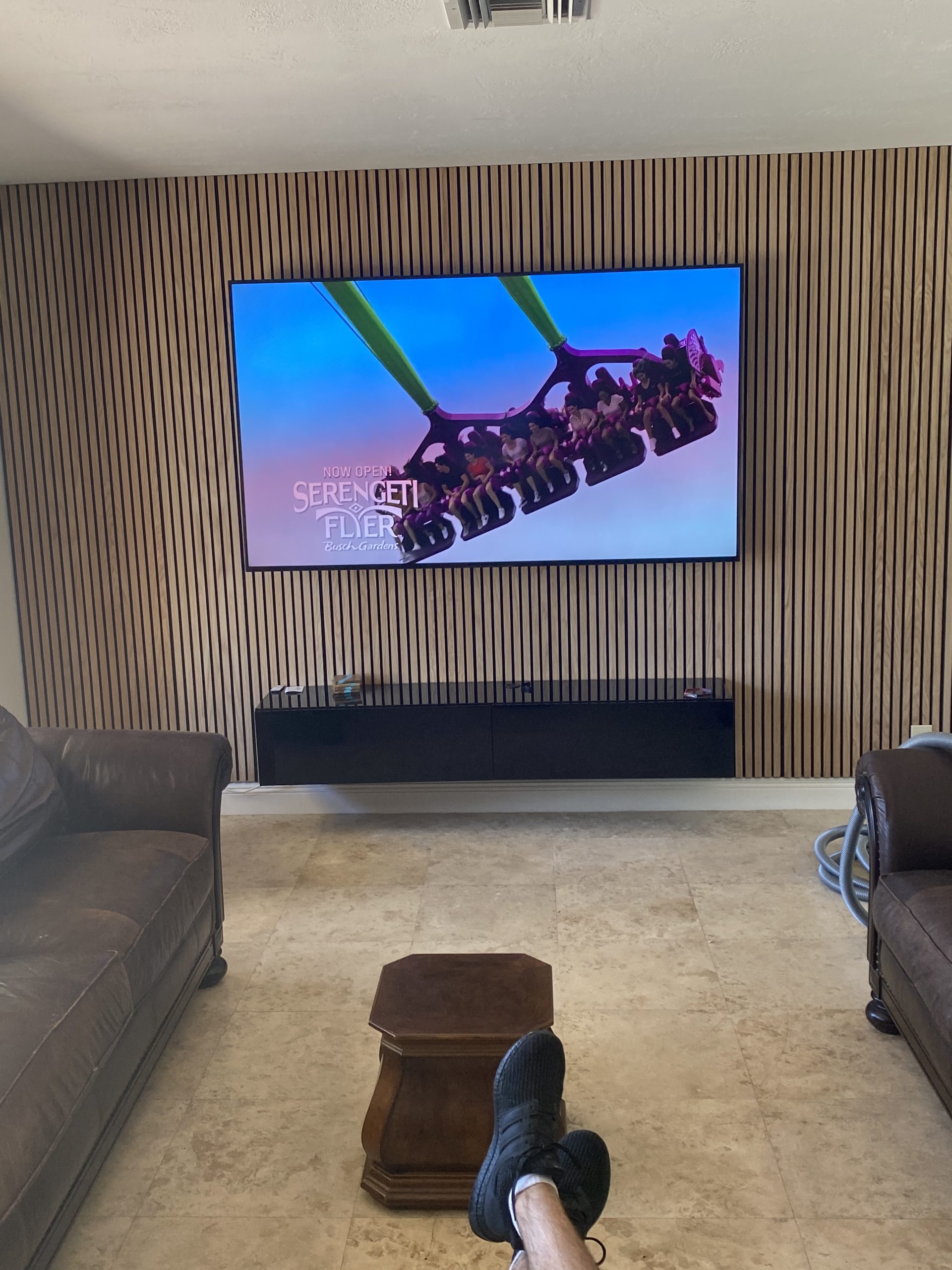
Wood slat wall paneling creates eye-catching depth whether it is used around a fireplace, behind your TV, or as an accent wall in your bedroom.

Style That Suits Any Interior

You can use wood slats to create a variety of looks, from Scandinavian serenity to rustic charm or an industrial edge. To fit your style, pick finishes like ash, walnut, or oak.

Placement Possibilities Are Endless

  • Living room accent walls
  • Entryway backdrops
  • Bathroom upgrades
  • Ceilings for added texture
  • Office nooks

Acoustics + Insulation: Beauty That Performs

Wood Slat Wall Paneling enhances comfort and ambiance in addition to appearances. Modern aesthetics in digital marketing design can significantly boost user experience and click-through rates.

Sound Control You’ll Hear Instantly

The gaps between the wooden slats trap sound waves, reducing echo and background noise. It’s ideal for:

  • Home theaters
  • Music studios
  • Zoom call corners

Natural Thermal Barrier

Wood slats reduce heat transfer, which serves as insulation. The result translates to improved energy efficiency all year long and a cooler environment in the summer.

Going Green with Wood Slat Wall Paneling

A weekend

acoustic treatment

project can easily transform a bland room into a stunning retreat. Choosing Wood Slat Wall Paneling supports a more sustainable lifestyle. Here’s how:

Eco-Friendly Benefits

  • Many panels use FSC-certified or recycled wood.
  • Wood naturally regulates moisture, helping with air quality.
  • It requires minimal chemical processing.

Built to Last

The natural beauty and durability of wood slats make them a long-lasting alternative to paint or wallpaper, which often require frequent touch-ups or replacements. When ethically sourced from sustainable forests or reclaimed materials, wood slat wall paneling not only enhances the visual appeal of your space for years to come but also supports environmental responsibility, offering a timeless design choice that benefits both you and the planet in the long run.

Simple Setup, Minimal Upkeep

Wood slat wall paneling is a design choice that doesn’t demand professional labor or constant maintenance.

Easy DIY Installation

Many slat panel systems are modular. Installation steps include:

  1. Measure and mark the wall
  2. Secure mounting strips or adhesive
  3. Align and attach slats

No special tools or contractors are necessary.

Maintenance Made Effortless

The slats may be kept clean with just a gentle cloth or duster. A moist cloth soaked in mild soap works well for thorough cleaning.

More Reasons to Love Wood Slat Wall Paneling

Here are additional features that make it a top choice:

Versatility It can be used in both residential and commercial spaces.

Natural aesthetic wood grain offers visual warmth unmatched by synthetic materials.

Customizable Lengths & Finishes Panels can be trimmed or stained to fit any space perfectly.

Frequently Asked Questions (FAQ)

What is wood slat wall paneling made of?

Usually, it is made out of thin, vertical wood strips that are fastened to a sturdy backing. Oak, walnut, pine, or engineered wood are examples of common wood kinds.

Can I install wood slat wall paneling myself?

Indeed! The majority of systems are made to be installed by hand using simple equipment like a drill, level, and screws or glue.

Is wood slat wall paneling suitable for humid environments?

Yes, however, for bathrooms or kitchens, it’s preferable to go with moisture-resistant materials like composite or sealed hardwood.

Does wood slat wall paneling help with noise?

Of course. The design is ideal for spaces where acoustics are important since it absorbs sound and lessens reverberation.

How do I maintain the panels?

Simply dust often and use a moist towel to clean periodically. Steer clear of aggressive chemicals since they might harm the wood finish.

The Ultimate Guide to Chimney Inspections: Ensuring Safety and EfficiencyThe Ultimate Guide to Chimney Inspections: Ensuring Safety and Efficiency


The Ultimate Guide to Chimney Inspections: Ensuring Safety and Efficiency

When it comes to home maintenance, chimney inspections are often overlooked, but they play a pivotal role in ensuring your fireplace or stove operates safely and efficiently. Regular chimney inspections can prevent costly repairs, enhance safety, and prolong the lifespan of your heating system. In this guide, we’ll explore why chimney inspections are essential, how they’re performed, and the different levels of inspection. A

structural damage

will help identify potential fire hazards that could threaten your home.

Why Chimney Inspections Are Essential for Homeowners

A chimney inspection is an important safety measure for any homeowner with a fireplace, wood stove, or heating appliance that vents through a chimney. Over time, your chimney can develop issues like blockages, creosote buildup, or structural damage, which could lead to dangerous conditions like chimney fires or carbon monoxide leaks. Scheduling regular chimney inspections ensures that these potential hazards are identified early on, reducing the risk of severe damage or accidents.

Key Benefits of Regular Chimney Inspections

  • Prevents Chimney Fires: Creosote buildup is one of the primary causes of chimney fires. A regular inspection ensures creosote is removed before it can pose a risk.
  • Detects Structural Damage: A chimney inspection will reveal cracks, gaps, or damage to the chimney structure that could lead to costly repairs or inefficiency.
  • Improves Air Quality: Blockages in the chimney can lead to dangerous gases like carbon monoxide seeping into your home. Inspections ensure that the chimney is clear and functional.
  • Enhances Efficiency: Regular inspections and cleaning help your chimney work more efficiently, improving the overall performance of your fireplace or stove.

Understanding the Different Levels of Chimney Inspections

Chimney inspections are not one-size-fits-all. Depending on the condition of your chimney and the changes made to your heating system, a different level of inspection may be required. Let’s break down the three levels of chimney inspection:

Level 1: Basic Visual Inspection

A Level 1 chimney inspection is the most straightforward type of inspection. This visual check involves a technician examining all accessible parts of the chimney system. It’s typically performed when you are using your heating system without any major changes. The technician will check for common issues such as:

  • Cracks or deterioration in the chimney’s exterior
  • Creosote buildup inside the chimney
  • Blockages caused by debris or nests

Level 2: Advanced Inspection with Specialized Tools

If there have been any changes to your heating system or if you’ve had a chimney fire, a Level 2 inspection is recommended. This inspection goes beyond a basic visual check, and the technician will use specialized equipment like cameras or mirrors to inspect the internal components of the chimney, including hard-to-reach areas. This level of inspection is also required if you’re buying or selling a home. If you’ve noticed unusual odors, it may be time for a

professional inspection

to check for blockages.

Key elements of a Level 2 inspection include:

  • Internal flue inspection using cameras
  • Checking for obstructions or structural issues hidden within the chimney
  • Assessing the safety of the system’s connection to heating appliances

Level 3: Invasive Inspection for Severe Issues

Level 3 chimney inspections are the most thorough and are typically only necessary if there’s significant damage or suspicion of hidden issues within the chimney system. This inspection often involves removing parts of the chimney or even parts of the walls to access hidden sections. It’s the most invasive type of chimney inspection and can reveal serious structural or safety issues that require urgent repairs. An annual

chimney issues

can prevent dangerous obstructions from forming in your chimney.

When Should You Schedule a Chimney Inspection?

The general rule of thumb is to schedule a chimney inspection at least once a year, especially before the heating season begins. However, there are several other situations where you may need to schedule a chimney inspection, including:

  • After a Chimney Fire: If your chimney has been involved in a fire, a Level 2 or Level 3 inspection may be necessary to assess the damage.
  • When Purchasing or Selling a Home: If you’re buying or selling a home with a chimney, a Level 2 inspection ensures that the chimney is in safe working condition.
  • After Significant Weather Events: Strong winds, heavy snow, or earthquakes can cause hidden damage to chimneys, so it’s wise to schedule an inspection after such events.

Common Signs That Your Chimney Needs an Inspection

While regular chimney inspections are essential, there are a few signs that indicate your chimney may need attention sooner rather than later. These include:

  • Unpleasant Odors: A musty or smoky smell from the chimney may indicate a blockage or creosote buildup.
  • Smoke in the Room: If smoke is entering your living room or other areas of the house, it’s a sign that your chimney is clogged or not venting properly.
  • Visible Damage: Cracks, rust, or missing chimney components are red flags that need immediate attention.
  • Excessive Soot or Ash: If you notice an unusual amount of soot or ash around your fireplace or stove, it could indicate a blockage or inefficiency in the chimney system.

FAQs About Chimney Inspections

How much does a chimney inspection cost?

The cost of a chimney inspection can vary depending on the level of inspection and the region you live in. On average, a Level 1 inspection can cost between $100 to $200, while a Level 2 inspection can range from $200 to $400. Level 3 inspections, due to their complexity, can be more expensive.

How often should I get my chimney inspected?

You should schedule a chimney inspection at least once a year, preferably before you start using your chimney for the colder months. However, if you experience issues like chimney fires or blockages, you may need an inspection more frequently.

What happens during a Level 2 chimney inspection?

A Level 2 inspection includes a visual inspection of the entire chimney system, including the use of cameras to check areas that are hard to access. The technician will inspect the chimney for cracks, blockages, and other hidden issues, ensuring that your system is safe to use.

Can I perform a chimney inspection myself?

While you can look for obvious signs of damage or blockages, it’s best to hire a professional for a thorough chimney inspection. Technicians have the tools and expertise to assess your chimney’s condition and identify issues that may not be visible to the untrained eye.

By following a regular chimney inspection schedule, you can ensure the safety and efficiency of your heating system while protecting your home from potential hazards. Don’t wait until it’s too late – schedule a professional chimney inspection today!

Are Under Sink Fluoride Filters Effective For Reducing Fluoride Levels?Are Under Sink Fluoride Filters Effective For Reducing Fluoride Levels?

11,446 Family Drinking Water Stock Photos - Free & Royalty-Free Stock  Photos from Dreamstime

Filters have become a common addition to many households, especially those who are conscious about the quality of their drinking water. If you are considering an under sink fluoride filter, you may be wondering how effective these systems are at reducing fluoride levels in your water supply. This guide will provide you with the information you need to make an informed decision. bone char carbon filter

Fluoride is commonly added to public water supplies to help prevent tooth decay, but excessive exposure can have adverse effects on health. Under sink fluoride filters are designed to reduce these fluoride levels, potentially making your water healthier. The first step in evaluating their effectiveness is understanding the technology behind these filters.

Most under sink fluoride filters use a combination of reverse osmosis and activated alumina to target fluoride specifically. Reverse osmosis systems work by forcing water through a semipermeable membrane, which removes a wide range of contaminants, including fluoride. On the other hand, activated alumina collects and removes fluoride ions effectively, making it an ideal choice for your filter setup.

When choosing an under sink fluoride filter, consider the filter capacity and the total dissolved solids (TDS) removal rate. Different models will have varying capabilities when it comes to fluoride reduction. Look for systems that specifically list their fluoride removal rates, ideally in the range of 90-95%. This is crucial for ensuring that you are making a worthwhile investment in your water quality.

To install your under sink fluoride filter, you typically need to follow these steps: First, shut off your water supply to prevent any spills. Next, you will need to disconnect the cold water line and attach the filter system according to the manufacturer’s instructions. Make sure to pay close attention to the placement of the faucet for easy access. You may also need to install a new dedicated faucet for the filtered water, ensuring convenience in your daily usage.

as well as

Once installed, it’s important to maintain your under sink fluoride filter. Most systems require replacement filters to be changed every 6 to 12 months, depending on your water usage and the filter type. Regular maintenance not only ensures that your filter operates efficiently but also guarantees that your water remains free from harmful contaminants.

While under sink fluoride filters are generally effective at reducing fluoride levels, it’s crucial to conduct a water test periodically. This helps you assess the effectiveness of your filtration system. Testing kits are available in many home improvement stores and online. If you find that your fluoride levels are still higher than you’d like, you may need to reevaluate your filter choice or consider additional filtration methods.

To sum up, under sink fluoride filters can significantly reduce fluoride levels in your drinking water. By understanding how these systems work, properly installing them, and maintaining them regularly, you can ensure that your family has access to cleaner and safer drinking water.

www.softprowatersystems.com

Why Fortune 500 Companies Use IP Lawyers and How Your Startup Can Benefit TooWhy Fortune 500 Companies Use IP Lawyers and How Your Startup Can Benefit Too

In the dynamic corporate landscape, intellectual property (IP) is the crown jewel that can make or break a company. Fortune 500 companies have long valued the significant benefits of protecting their creative works, brands, and unique assets. But what about emerging businesses? Can they risk neglecting the importance of IP protection? The answer is a clear no. In fact, startups have much to learn by following the lead of corporate leaders and enlisting the expertise of Charting the Intercontinental Startup Landscape: How a New Business Lawyer Could Be Your Top Advocate Beyond National Borders.

The Fortune 500 Playbook: Protecting Innovation

Fortune 500 companies are no strangers to the competitive edge that comes with secure innovation safeguards. These industry leaders invest heavily in innovation efforts, introducing cutting-edge services that set them apart in the marketplace. To protect these innovations, they engage IP lawyers to manage the nuances of intellectual property protection, ensuring their innovations, trademarks, and copyrights are unassailable.

IP lawyers play a crucial role in enabling industry giants maintain their market dominance. They perform comprehensive legal reviews, draft airtight applications, and combat copycats. By doing so, they not only secure proprietary information but also increase its business value and draw funding. This strategic approach to IP management is a key driver of Fortune 500 companies’ continued success.

Why Startups Can’t Afford to Ignore IP

For startups, the stakes are no less critical, if not higher. In the initial phases of a business, creativity is often the biggest asset. A distinct service can propel a business forward, but without proper IP protection, that innovation is vulnerable to imitation. This is where IP lawyers prove invaluable. Engaging intellectual property experts might appear to be a daunting expense for a young startup, but it’s an commitment that can pay dividends in the long run. An knowledgeable IP attorney can guide emerging companies in recognizing and safeguard their innovations, guaranteeing they have the legal backing to defend their innovations against larger competitors.

Leveraging IP Lawyers for Startup Success

So, how can your startup take advantage of the skills of an IP lawyer? Here are a few key ways:

  • Strategic IP Planning: An IP lawyer can help you develop a holistic plan to safeguard your ideas, making certain you have the ideal balance of patents, trademarks, and copyrights.
  • Risk Mitigation: By performing in-depth reviews and analyses, IP lawyers can recognize challenges and guide you around costly legal battles down the road.
  • Competitive Advantage: With comprehensive legal backing, your startup can confidently enter the market, assured that your ideas are shielded from copycats.
  • Investor Appeal: A secure legal framework can significantly enhance your startup’s appeal to investors, delivering them the assurance that their capital is protected.
  • Global Reach: If your startup has plans to expand abroad, an IP lawyer can help you navigate the intricacies of building a framework in different countries.

Conclusion: Take a Page from the Fortune 500 Playbook

In conclusion, while Fortune 500 companies have long valued the importance of IP lawyers, startups have just as much to gain from their services. By prioritizing IP protection from the start, your startup can safeguard its innovations, attract investors, and prepare for sustainable growth. Don’t delay until problems arise—follow the Fortune 500 playbook and make IP protection a priority today at Discovering International Territory: How a Startup Law Firm Can Propel Your Startup Globally.

How Top Companies Protect Innovation and What Startups Can LearnHow Top Companies Protect Innovation and What Startups Can Learn

In the competitive business arena, intellectual property (IP) is the critical asset that can define success. Fortune 500 companies have long understood the significant benefits of safeguarding their ideas, trademarks, and unique assets. But what about emerging businesses? Can they justify overlooking the importance of IP protection? The answer is a resounding no. In fact, startups stand to gain significantly by emulating the strategies of top-tier businesses and engaging the services of Charting the Intercontinental Startup Landscape: How a New Business Lawyer Could Be Your Top Advocate Beyond National Borders.

The Fortune 500 Playbook: Protecting Innovation

Fortune 500 companies are no strangers to the strategic benefits that comes with secure innovation safeguards. These business powerhouses invest heavily in new product creation, introducing innovative solutions that distinguish them in the marketplace. To secure these assets, they turn to IP lawyers to manage the nuances of intellectual property protection, guaranteeing their patents, trademarks, and copyrights are unassailable.

IP lawyers are indispensable in assisting leading businesses preserve their leadership. They carry out exhaustive IP investigations, prepare robust filings, and defend against intellectual theft. By doing so, they not only secure proprietary information but also boost its market worth and appeal to financiers. This dedicated process to IP management is a key driver of Fortune 500 companies’ ongoing prosperity.

Why Startups Can’t Afford to Ignore IP

For early-stage companies, the stakes are just as significant, if not more substantial. In the early stages of a business, creativity is often the biggest asset. A one-of-a-kind offering can drive rapid growth, but without proper IP protection, that idea is at risk to theft. This is where IP lawyers prove invaluable. Bringing in an IP attorney might feel like a daunting expense for a new company, but it’s an investment that can prove worthwhile in the long run. An experienced IP attorney can assist new businesses in pinpointing and safeguard their innovations, making certain they have the legal backing to protect their ideas against industry giants.

Leveraging IP Lawyers for Startup Success

So, how can your startup benefit from the knowledge of an IP lawyer? Here are a few key ways:

  • Strategic IP Planning: An IP lawyer can guide you in building a comprehensive strategy to protect your innovations, guaranteeing you have the ideal balance of patents, trademarks, and copyrights.
  • Risk Mitigation: By performing in-depth reviews and analyses, IP lawyers can identify potential risks and minimize the chance of costly legal battles down the road.
  • Competitive Advantage: With comprehensive legal backing, your startup can securely launch your product, guaranteed that your ideas are protected against infringement.
  • Investor Appeal: A well-protected IP portfolio can dramatically boost your startup’s value to investors, delivering them the confidence that their investment is secure.
  • Global Reach: If your startup has global aspirations, an IP lawyer can assist in managing the complexities of obtaining safeguards in different countries.

Conclusion: Take a Page from the Fortune 500 Playbook

In conclusion, while Fortune 500 companies have long valued the importance of IP lawyers, startups have just as much to gain from their services. By focusing on IP protection early on, your startup can secure its ideas, attract investors, and prepare for sustainable growth. Don’t risk being unprotected—take a page from the Fortune 500 playbook and secure your innovations today at Treading Global Markets: How a Startup Law Firm Can Expand Your Business Globally.

Surprising Facts About Athletic Setbacks: Healing Without SurgerySurprising Facts About Athletic Setbacks: Healing Without Surgery

In the world of sports, physical setbacks are often seen as an inevitable part of the activity. From sprained ankles to severe muscle damage, sportspeople at all levels encounter potential harm every time they enter the court. Traditionally, operative interventions has been the default choice for severe sports injuries, but is it always essential? Courtesy of Physical Therapist Cypress TX, the answer might surprise you.

Challenging the Conventional Wisdom

The healthcare sector has long debated the essential nature of surgery for sports injuries, and recent studies suggest that non-invasive methods can be highly effective, if not superior, in particular situations. This discovery challenges the standard notion that surgery is the ultimate fix, paving the way to different approaches that prioritize the body’s innate recovery mechanisms.

The Role of Physical Therapy

One of the most controversial aspects of this debate is the role of rehabilitative care. Many specialists believe that a comprehensive physical therapy program can significantly speed up healing and boost recovery without the necessity of operative methods. Techniques such as targeted exercises, hands-on treatment, and modalities like sound wave therapy and electrical stimulation can help restore function and ease soreness.

Advances in Regenerative Medicine

Another cutting-edge field is biological repair therapies, which includes options like blood-derived healing methods and cellular rejuvenation. These advanced solutions harness the body’s own natural restorative abilities to heal damaged tissues, offering a non-surgical alternative with the potential for accelerated recuperation and reduced risks.

Lifestyle Changes and Preventive Measures

In addition, daily routines and risk reduction strategies are key in preventing sports injuries. Healthy eating, sufficient recovery, and a balanced training regimen can improve physical durability and lower the chance of harm. Athletes are increasingly embracing comprehensive strategies, such as yoga and mental focus techniques, to support their physical and mental well-being.

When Surgery May Still Be Necessary

Critics of non-invasive methods suggest that they may not be effective for all types of athletic damage, particularly those involving complete tears or fractures. However, the increasing research in favor of non-surgical approaches cannot be dismissed. It’s critical for athletes and therapists like Local Physical Therapy Clinics Cypress TX to consider the trade-offs of each option, considering the unique situation of the injured person.

Conclusion: Explore Your Options

In conclusion, while surgery remains a vital tool in the management of sports injuries, it’s not the exclusive answer. Exploring non-surgical alternatives can offer positive outcomes and sustained wellness. If you’re recovering from a sports injury and want to understand the alternatives, go to Sports Physical Therapist to speak with an expert. Find out how you can recover without going under the knife and return to your favorite sports.

Entering International Territory: How a Startup Attorney Can Propel Your Startup GloballyEntering International Territory: How a Startup Attorney Can Propel Your Startup Globally

In the dynamic realm of emerging businesses, the aspiration of reaching a worldwide audience is both electrifying and daunting. As your innovative ideas begin to take shape, the opportunity of expanding beyond borders becomes a captivating reality. But with immense potential comes considerable complexity. Enter the business attorney—a indispensable ally in your journey for international success.

Why You Need a Startup Lawyer for International Expansion

Scaling your venture across borders is not just about localizing your platform or setting up a foreign branch. It necessitates handling a network of legal frameworks, comprehending cultural nuances, and maintaining conformity with local regulations. A legal specialist with cross-border knowledge, like Boomer Veritas, is your navigator in these uncharted waters.

1. Navigating Diverse Legal Frameworks

Every nation has its own set of regulations governing corporate practices. From intellectual property rights to employment laws, the regulatory environment can change considerably. A business attorney guarantees that your venture complies with these varied regulations, mitigating risks and circumventing significant issues.

2. Securing Your Innovations

Your business’s innovations is its essence. Safeguarding it globally is essential. An experienced startup lawyer will help you navigate cross-border IP protections, ensuring your ideas are protected against infringement.

3. Planning Global Agreements

Whether it’s forming strategic partnerships or obtaining global investment, global agreements are filled with complexities. A legal advisor can organize these deals to align with your vision while ensuring compliance with international trade laws.

4. Managing Potential Issues

Operating in multiple countries exposes your business to a host of dangers. From business conflicts to compliance issues, the possibility for complications is substantial. A startup lawyer anticipates these issues, crafting plans to reduce liabilities and safeguard your corporate goals.

5. Navigating Global Complexities

Recognizing local distinctions is as essential as understanding regulatory factors. A startup lawyer with international experience can close these gaps, guiding you through discussions and establishing partnerships that are regionally and jurisdictionally compliant.

Choosing the Right Startup Lawyer

When choosing a business attorney for cross-border matters, seek out someone with a established reputation in international commerce. They should have a thorough knowledge of the jurisdictional environments in the nations you intend to expand into and have a web of domestic relationships to facilitate smooth operations.

Conclusion: Your Global Partner in Success

In the journey of taking your startup global, a business attorney is not just a consultant but a strategic partner. They provide the expertise and advice needed to handle the nuances of cross-border scaling, permitting you to concentrate on what you do most effectively—creating and expanding your operations.

Set to scale your business to the global market? Choose Feras Mousilli, a business attorney who can help realize your cross-border goals. Your global success story begins here.